Fiuu Predicts Top 2026 Trends in the Philippines’ Digital Payments Landscape


Fiuu, the leading fintech platform in Southeast Asia, has identified top trends and predictions for digital payments in the Philippines.
2025 was a pivotal year for the industry in the Philippines. A series of long-anticipated developments came together within a short period of time: the entry of Apple Pay and Google Pay, the Bangko Sentral ng Pilipinas’ push for 24/7 real-time payment infrastructure, tighter anti-money laundering (AML) requirements, and regulatory guidance across the financial system.
Collectively, these shifts changed the role of digital payments in everyday commerce. What was once driven by convenience and incentives has become a necessity for both consumers and merchants. Seamless availability, strong security standards, and regulatory compliance are no longer differentiators. They are now baseline expectations.
In the opinion of Eng Sheng Guan, Fiuu’s Chief Executive Officer, “The digital payments landscape is moving into a more mature phase as we enter 2026, shaped as much by infrastructure and regulation as by consumer behavior.”
Interoperability Becomes Non-Negotiable
Interoperability has moved from a technical aspiration to a commercial requirement. The arrival of Apple Pay and Google Pay significantly raises consumer expectations around universal acceptance, while 24/7 payment rails remove timing and availability as limiting factors.
Consumers now expect to pay with any wallet, at any time, without friction. As a result, fragmented ecosystems, limited wallet acceptance, or system downtime increasingly result in abandoned transactions rather than workarounds.
For retailers, this shift is already influencing payment strategy. Large merchants are standardizing on interoperable, multi-wallet checkout systems to maximize conversion rates and reduce operational complexity. Supporting only a narrow set of wallets is no longer seen as efficient. Instead, it creates unnecessary friction and lost sales.
According to Eng, “Interoperability in 2026 is not about innovation. It is about meeting minimum commercial expectations in an increasingly competitive retail environment where consumers expect to tap and pay instantly, regardless of channel or purchase size.”
Cashless-by-Default Retail Takes Hold
Cash is increasingly being reassessed, primarily from an efficiency, speed, and customer experience perspective, as real-time payments and digital tools make cashless experiences easier and more practical for everyday transactions.
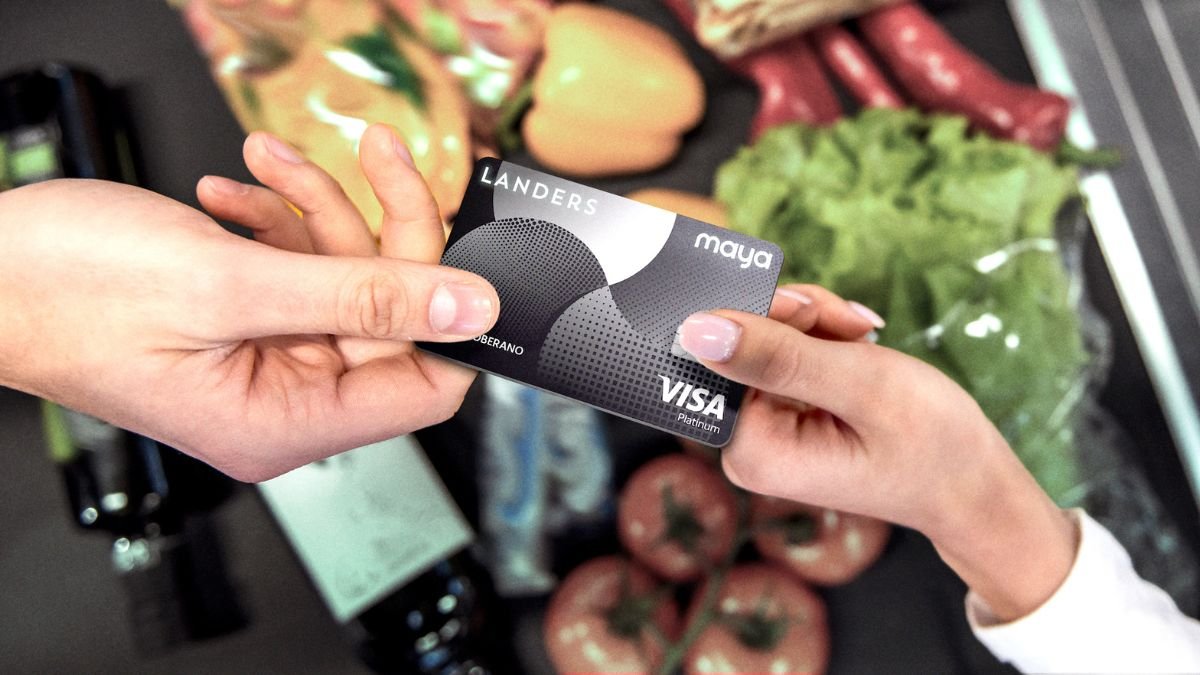
Across major Philippine cities, everyday payment behavior is visibly shifting toward contactless and card-based transactions, particularly in transport, convenience retail, and quick-service dining. Small-value purchases that were historically cash-dominant are increasingly completed with a tap, signaling that digital payments are becoming embedded in daily routines rather than reserved for high-value spending.
Consumers are becoming more comfortable with cash-lite and cashless environments, particularly in urban areas. Digital payments are increasingly perceived as safer and more transparent, especially for larger or repeat transactions. Frequent low-value transactions, including transport fares, convenience purchases, and dining, are now commonly paid using contactless cards or mobile wallets, reinforcing digital habits across daily routine.
Retailers, especially large chains, are responding accordingly. Reducing cash acceptance allows businesses to improve efficiency, strengthen compliance processes, and lower security risks. In this context, cashless adoption is driven less by innovation and more by operational discipline.
As Eng observes, “The shift away from cash in the Philippines is increasingly driven by speed, predictability, and smoother customer flow, alongside evolving consumer preference.”
Embedded Credit and BNPL Grow Under Stronger Controls
Flexible payment options such as embedded credit and buy-now-pay-later continue to expand, supported by improving identity verification, responsible leading frameworks, and clearer regulatory guidance shaping how these products are designed and deployed.
Consumers remain open to embedded credit when it is seamless, transparent, and secure. Trust is increasingly the deciding factor, rather than access alone. Importantly, the growing familiarity with using cards for everyday spending is also normalizing short-term credit as a routine payment behavior, not just financing tools for large purchases.
For retailers, embedded finance offers clear upside, including higher basket sizes and improved conversion rates. However, partnerships are becoming more selective. Merchants are prioritizing providers that can balance speed with compliance, ensuring growth does not introduce regulatory or reputational risk.
Eng highlights, “The next phase of embedded finance growth will favor platforms that scale responsibly, with strong customer protection, transparency, long-term trust, compliance, and governance built in from the start.”
Taken together, these trends point to a more mature digital payments ecosystem in the Philippines. Consumers now expect convenience, value, and also security as standard. Moreover, retailers are using payments as strategic tools for growth, engagement, and risk management. Banks and wallets are differentiating themselves through interoperability, compliance capabilities, and trust.
Infrastructure, regulation, and also consumer behavior are increasingly aligned, setting clearer parameters for success. In this environment, market leadership will be defined not by rapid adoption alone. But by the ability to deliver consistent, interoperable, and secure payment experiences at scale.
Looking ahead to 2026, Eng shares, “Our focus at Fiuu in the Philippines is on supporting merchants as expectations rise, daily digital payment usage accelerates, and the ecosystem continues to mature.”
Ultimately, 2026 will be the year digital payments are judged less by how quickly they grow, and more by how reliably they work across consumers, merchants, and the broader financial system.