
Why Your Social Media Timeline Feels So One-Sided

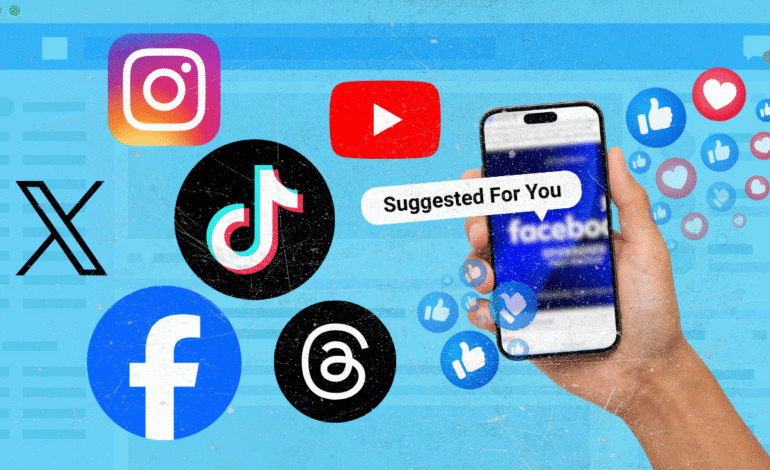
In the Philippines, where social media is as essential as morning coffee, it influences more than just what we eat or watch—it shapes how we think, feel, and engage with the world. But behind those endless scrolls lies a hidden trap: the social media echo chamber. This digital bubble can reinforce our beliefs without us even realizing it—and that has a big impact on how Filipinos see politics, culture, and even each other.
What Is a Social Media Echo Chamber?
Picture this: you open Facebook or X (formerly Twitter), and your feed shows posts that feel like they’re speaking directly to you. Your friends share opinions you agree with, news aligns with your views, and even the ads seem tailored to your tastes. This is no accident—algorithms power these personalized feeds by learning what you like and showing you more of the same.This creates an echo chamber, an online space where you mostly hear opinions that mirror your own, while other voices get filtered out.
Why Being Aware of Echo Chambers Matter
Echo chambers aren’t just an internet curiosity—they affect how people engage with crucial topics. Take recent elections: misinformation spread quickly within groups that rarely saw or heard alternative views. This intensified divisions, making respectful political discussions rare and heated arguments common.
Even outside politics, echo chambers influence conversations about health, religion, and pop culture. During the COVID-19 pandemic, for example, some communities relied heavily on information circulated within their social circles, sometimes ignoring expert advice. This divides complicated efforts to promote vaccination and safety measures.
As media expert Ramon R. Tuazon, President of the Asian Institute of Journalism and Communication, explains,
“Filter bubbles condition a media consumer to be more prone to have biases toward other people’s views. You are not exposed to views contrary to yours. You will not have tolerance towards other divergent opinions, and this can be a cause of worry or concern.”
How Do Algorithms Build These Bubbles?
Social media platforms want to keep you engaged. To do this, algorithms study your clicks, likes, comments, and even the time you spend reading a post. Then they prioritize similar content, creating a feedback loop that shows you what you’re most likely to agree with or enjoy.
While this makes browsing feel more relevant and fun, it narrows your world. You might miss out on important viewpoints or fresh ideas because the algorithm has decided they aren’t “for you”.
Breaking Out of Your Digital Bubble
The good news? You can break free.
Digital media advocates recommend following diverse voices and questioning the content you consume. Rather than simply liking or sharing posts, take a moment to think critically about why you believe what you do.
Simple steps like following pages outside your usual interests, reading fact-checking sites, or engaging respectfully with opposing views can expand your digital horizon.