
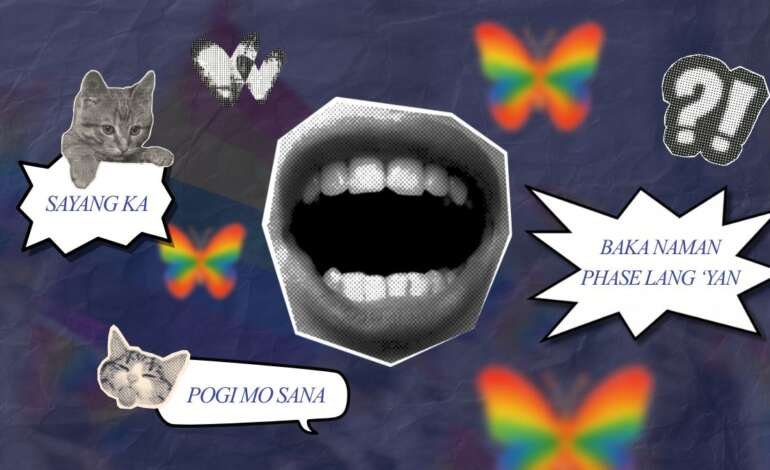
Pride Month is a time for celebration, visibility, and sharing stories of love and resilience. Yet, beyond the parades and parties, many LGBTQIA+ individuals still face subtle remarks and microaggressions that go unspoken but leave lasting impacts. These everyday comments reveal persistent biases and misunderstandings that affect how queer people feel seen and valued.
The Sting Behind “Sayang Ka”
Among the most pervasive comments in the LGBTQIA+ community is the phrase “Sayang ka,” loosely meaning “What a waste.” This expression suggests that a person’s talents, looks, or achievements are somehow diminished because of their sexual orientation or gender identity.
Having spent years hiding his sexual identity, Rence—a queer Filipino man—understands the weight behind the words many LGBTQIA+ people hear but rarely say out loud.
He poignantly shares some of the common remarks that have stayed with him:
“Ang pogi mo sana, kaso bading ka, sayang,” or “Ang talino mo, pero…”
They make it sound like being gay somehow takes away from everything else I am—that it’s a flaw, a misfortune, or something to regret. But my sexuality is not a shortcoming. It doesn’t make me less capable, less intelligent, or less worthy. I am not a “waste” of potential. I am more than my sexuality, and being queer will never be a hindrance to who I am or what I can achieve.
Somehow, this is a reminder that acceptance still has a long way to go, even in everyday conversations.
The Challenge of Acceptance
For many LGBTQIA+ individuals, family is both a source of love and a difficult battleground. Traditional beliefs and religious teachings can heavily influence how relatives perceive queerness. Rence recalls:
I usually hear these kinds of remarks from older relatives, many of whom are deeply conservative and very devoted to their Catholic faith… They laugh while saying it, but to me, it’s not funny, it’s unsettling.
These comments often come wrapped in humor or casual dismissal, but the impact is deeply felt. For someone not yet out or still navigating their identity, such remarks can create fear, shame, or a sense of isolation. They highlight how, despite love and familial ties, cultural and religious conditioning can create barriers to acceptance.
Many LGBTQIA+ people find themselves caught between wanting to be authentic and protecting themselves from rejection or misunderstanding. Rence admits that silence often feels safer:
I smile, nod, or quietly excuse myself from the conversation… because calling it out would mean revealing a part of myself I’m not ready for them to see.
This silence is a complex response, both a defense mechanism and a sign of vulnerability. It underscores the delicate balance queer individuals must maintain within families that may never fully understand or accept them.
The Emotional Toll and Self-Preservation
The accumulation of microaggressions—small, often subtle, slights or dismissive comments, can chip away at self-esteem and mental health. Early on, many LGBTQIA+ people feel the sting acutely, but over time, some, like Rence, develop ways to protect their emotional well-being:
I’ve learned to choose where I invest my energy. I’ve come to understand that a lot of these microaggressions come from deep-seated homophobia and closed-off mindsets.
This boundary-setting is a powerful act of self-care. It reflects growth from a place of hurt to one of empowerment, where queer individuals prioritize their peace over seeking validation from those who dismiss them. It also reflects a larger truth about social change: that while education and dialogue are crucial, sometimes people remain resistant due to entrenched beliefs.
Choosing to disengage from negativity isn’t giving up; it’s an important survival skill that preserves dignity and fosters self-respect. It’s a reminder that LGBTQIA+ people deserve spaces where their identity is honored, not questioned or belittled.
The Thin Line Between Humor and Harm
Humor can be a beautiful tool for connection, especially within close-knit communities. Among friends who share experiences and understand each other’s struggles, jokes about identity can build solidarity and ease tension.
But outside of those safe spaces, humor about LGBTQIA+ identities often crosses a line. Rence recalls painful encounters:
I’ve had someone say things like, ‘Kaya ka pinupuksa, bading ka kasi,’ as a joke… But there’s nothing funny about using our pain or existence as a punchline.
I’ve stopped expecting understanding from people who aren’t willing to listen… I know when it’s time to leave a space where I’m not respected or welcomed—and I have no guilt about doing so.
These “jokes” often trivialize the very real discrimination, violence, and mental health challenges queer people face. What may seem like harmless teasing to some carries the weight of historical trauma and marginalization.
Moreover, not all LGBTQIA+ people share the same level of comfort with humor about their identity. For some, such jokes feel like direct attacks; for others, a reminder of how society still struggles to fully embrace queer lives.
This reality calls for greater awareness and sensitivity from allies and strangers alike. It’s crucial to remember that humor should uplift, not diminish or invalidate.
When Questions Come From Respect
Curiosity about LGBTQIA+ identities can open meaningful conversations and foster empathy—if approached with respect and genuine intent. Rence encourages respectful questions:
I’m genuinely okay with people asking questions as long as it comes from a place of respect… If it’s clear they’re asking to understand and be supportive, then I’m more than willing to share.
Respectful dialogue involves listening without judgment and recognizing that identity is deeply personal. It’s a way to break down misconceptions and create bridges of understanding.
On the other hand, nosiness or ridicule shuts down conversation and reinforces barriers. For allies and curious minds, the key is to approach questions with kindness and humility, recognizing that every LGBTQIA+ person’s journey is unique.
Listening to What’s Unsaid
The unspoken remarks and offhand comments that LGBTQIA+ people hear daily are not just words, they are echoes of society’s lingering biases and fears. Yet, these voices are often silenced, left unheard and unaddressed.
This Pride Month, as we celebrate progress and visibility, it is vital to also listen closely, to the things said in passing, to the laughter that hides discomfort, and to the silence that masks pain.